Weather & when to go
Picton weather, and what to do in it
Marlborough is one of New Zealand’s drier, sunnier regions, but the seasons still matter — for the weather itself and for what’s open. Below: the climate, the seasons, and which pages to use for the day you have actually got.
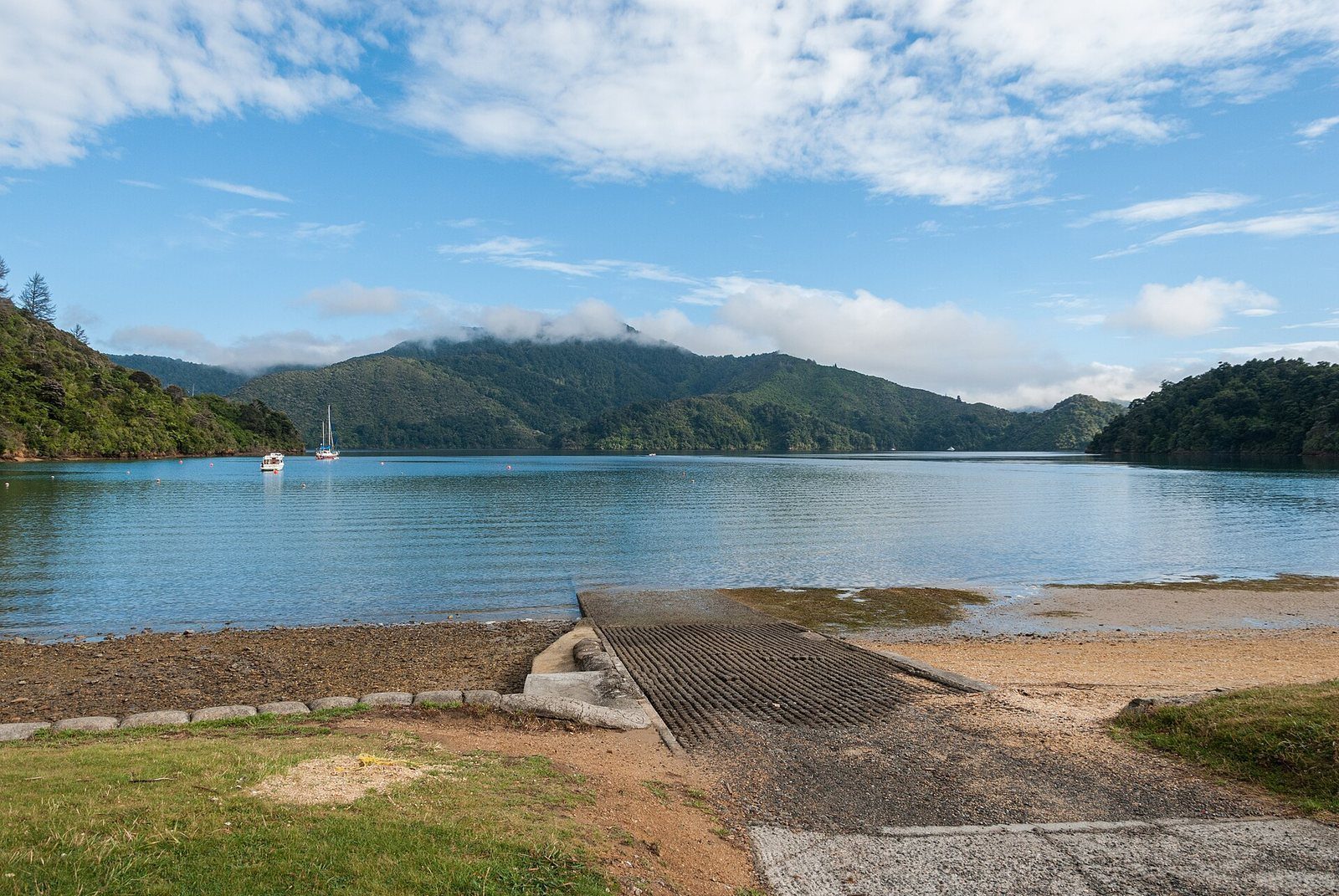
Photo: lumoplank / Wikimedia Commons, CC0
Published · Updated
The climate
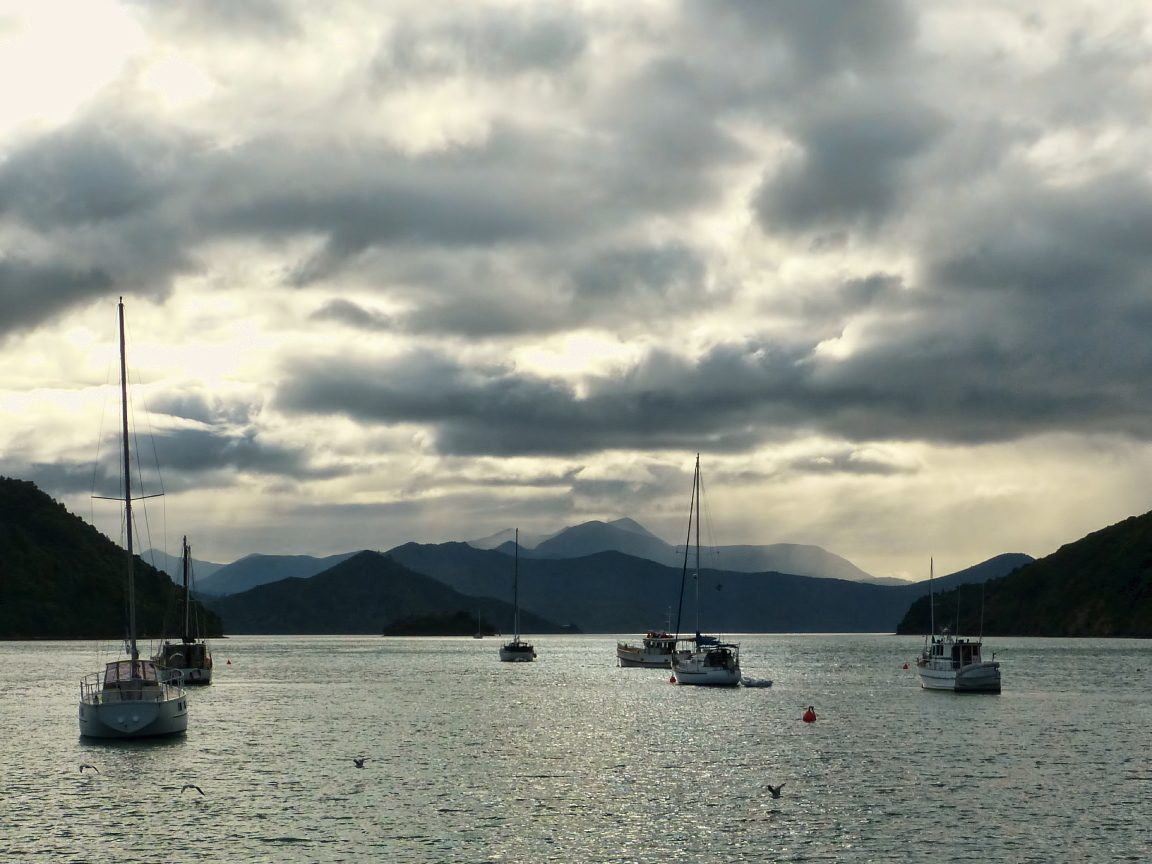
NIWA, New Zealand’s national weather and climate research institute, describes the defining feature of the Marlborough climate as its dryness: summer droughts are common, and the region is regularly swept by warm, dry nor’westerly winds. Overall the climate leans more continental than much of coastal New Zealand — hot, dry summers and cold winters — though Picton’s position on the water moderates that somewhat compared with inland Marlborough. NIWA specifically notes nearby Blenheim as one of the sunniest towns in the country.
There’s no long-running official weather station in Picton itself; Blenheim, about 25 km south, is the standard reference point for the region’s published climate statistics. For the standard 1991–2020 averaging period, Blenheim’s data (NIWA/CliFlo) shows annual sunshine of around 2,520 hours — roughly 57% of the theoretical maximum — average annual rainfall of around 640 mm, an average of about 76 days a year with measurable rain, and a mean annual temperature around 13°C. Picton, being on the coast and closer to the Sounds, tends to run a little milder and damper than inland Blenheim, though we haven’t found Picton-specific published figures to cite directly.
Source: NIWA regional climatology for Marlborough; NIWA/CliFlo climate data for Blenheim (1991–2020 normal). Full citations on the sources page.
New Zealand’s seasons
New Zealand is in the Southern Hemisphere, so the seasons run opposite to the Northern Hemisphere’s calendar: summer is December to February, winter June to August, with spring and autumn either side. January is reliably the warmest month in Blenheim’s climate data, July the coolest.
| Season | Months |
|---|---|
| Summer | December – February |
| Autumn | March – May |
| Winter | June – August |
| Spring | September – November |
Thinking about timing
A few things line up with the calendar and are worth knowing when you’re choosing dates:
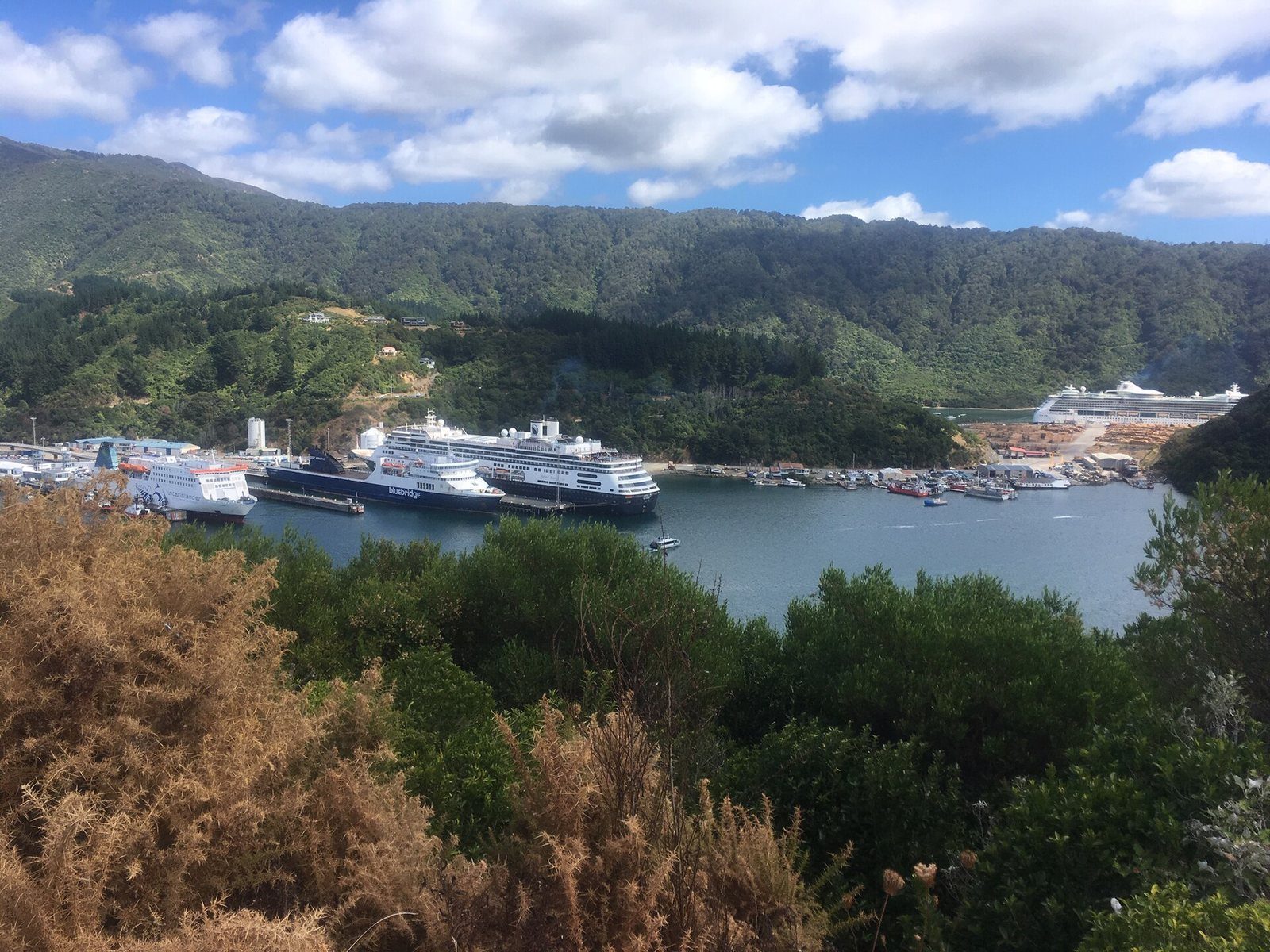
- Cruise ships call at Picton from late October to early April — 37 visits between 24 October 2026 and 2 April 2027 on Port Marlborough’s schedule (see Cruise ships) — the town is busiest, and the foreshore fullest, when a ship is in.
- The Coastal Pacific train runs seasonally rather than year-round (see the train page), so it isn’t an option for a winter trip without checking current dates.
- Ferry sailings get busiest, and book out furthest in advance, around New Zealand’s summer school holidays and other long weekends (see Interislander).
- The Queen Charlotte Track is walkable and rideable year-round, but DOC’s general Sounds safety advice — checking marine forecasts, being aware of a late-summer/autumn wasp-allergy risk — is worth reading regardless of season (see Sounds & the Track).
None of this points to one obviously “best” time to visit — it depends whether you want the region at its driest and busiest, or quieter and cooler. What it does mean is that a summer visit and a winter visit to Picton are genuinely different trips, more so than in many parts of New Zealand. Our season guides spell out what changes: Picton in summer and Picton in winter.
What to do in the weather you have
Cruises and water taxis run in rain but not in weather: DOC’s advice is to check a marine forecast before any boat trip, and operators make the call on the day.
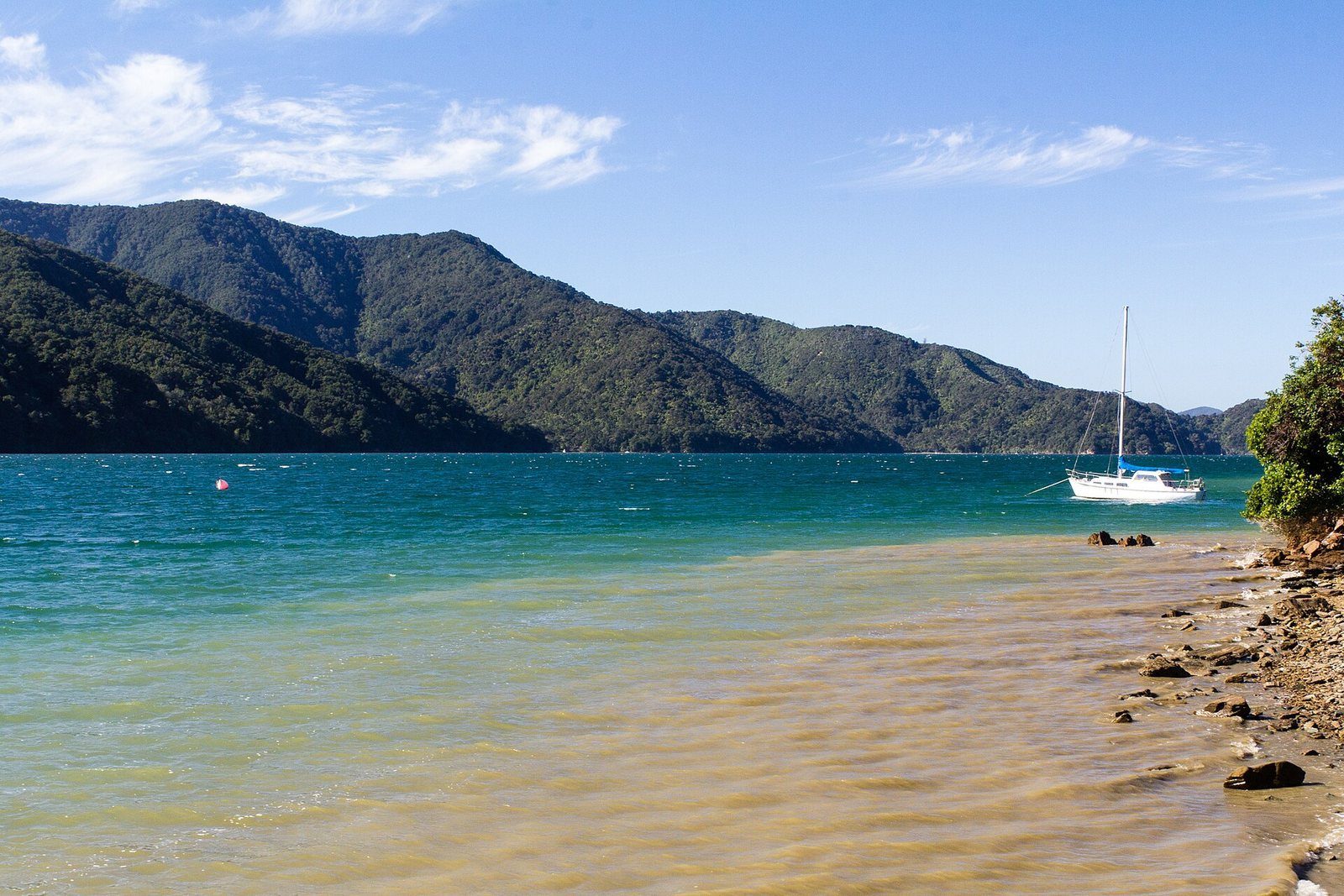
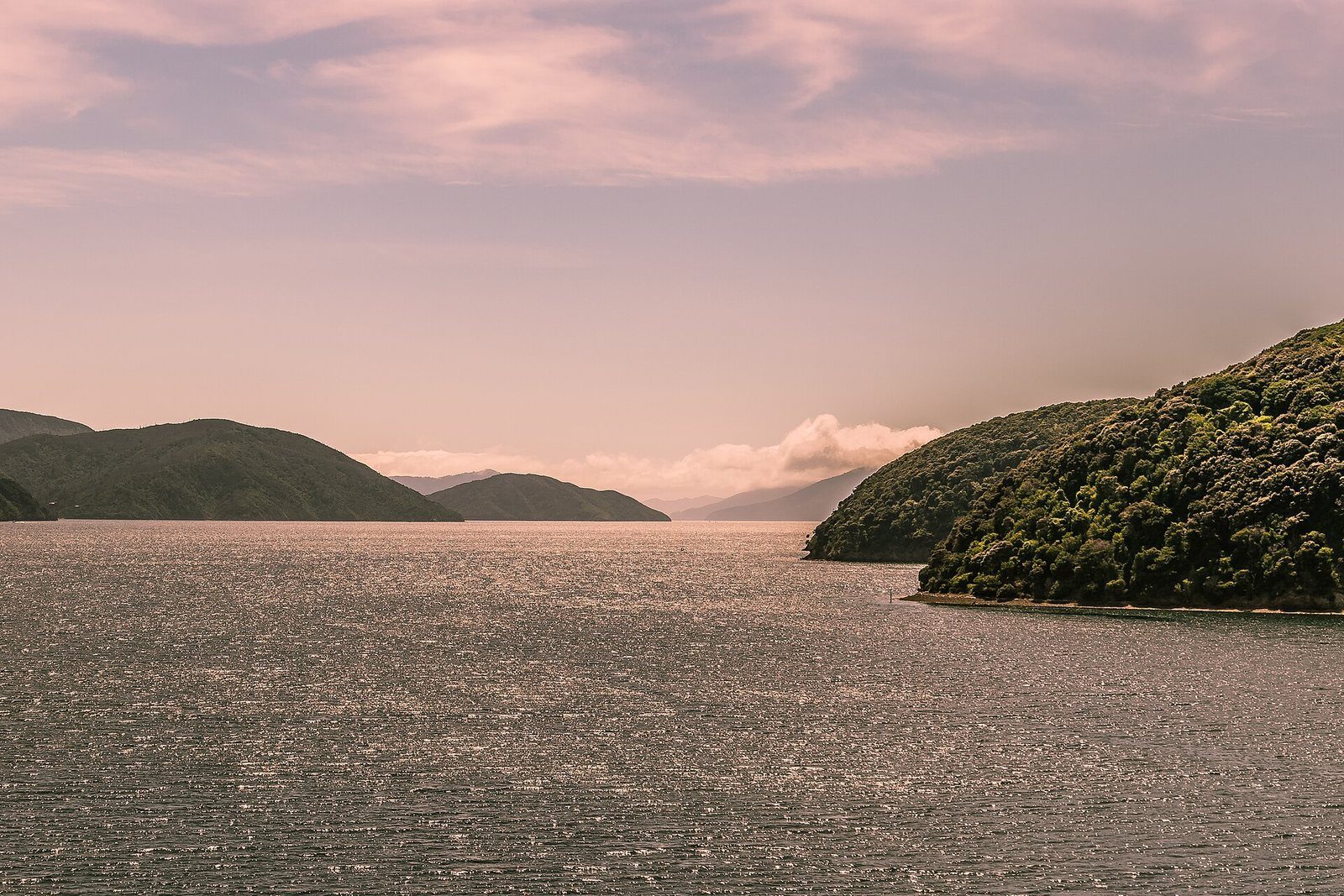
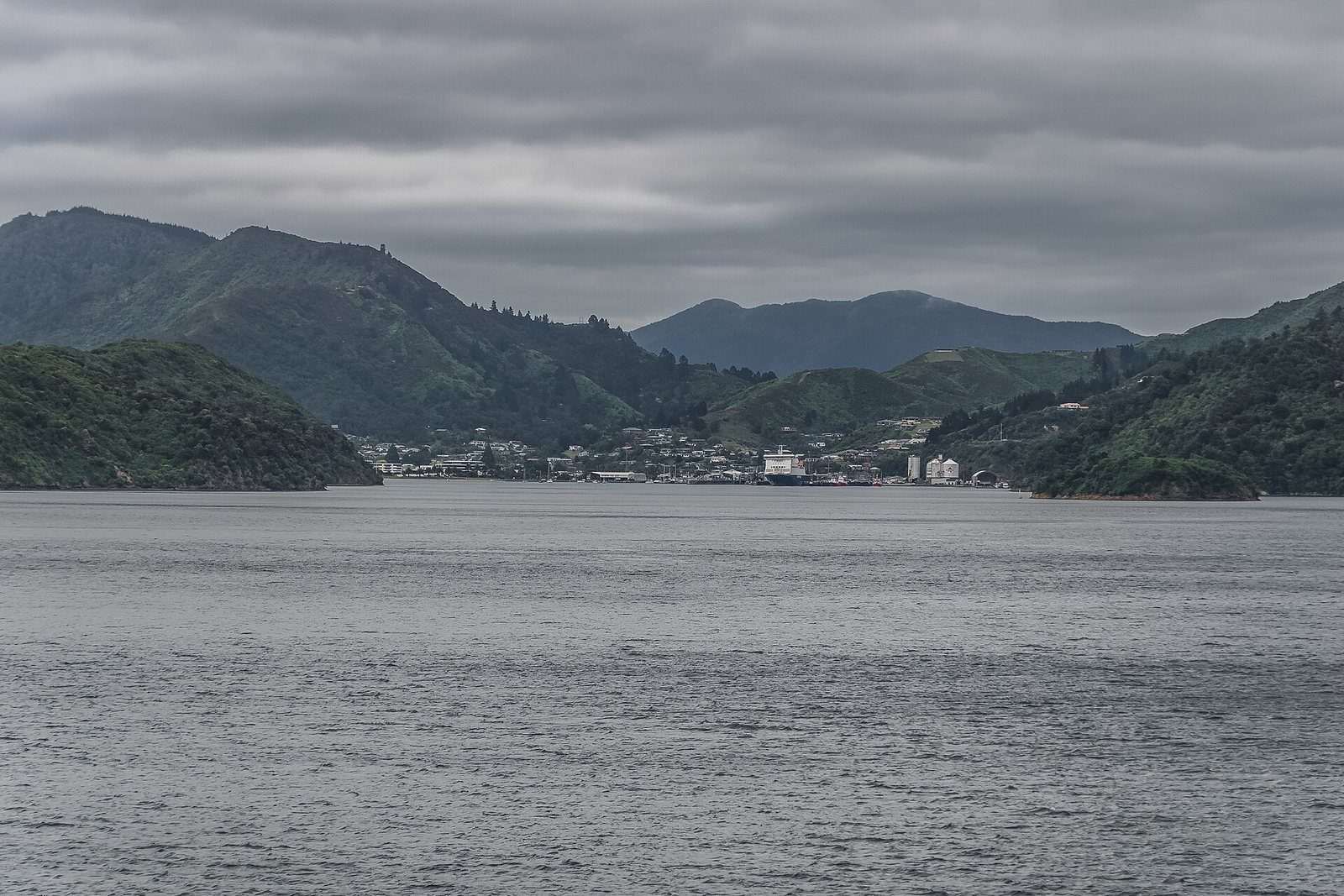
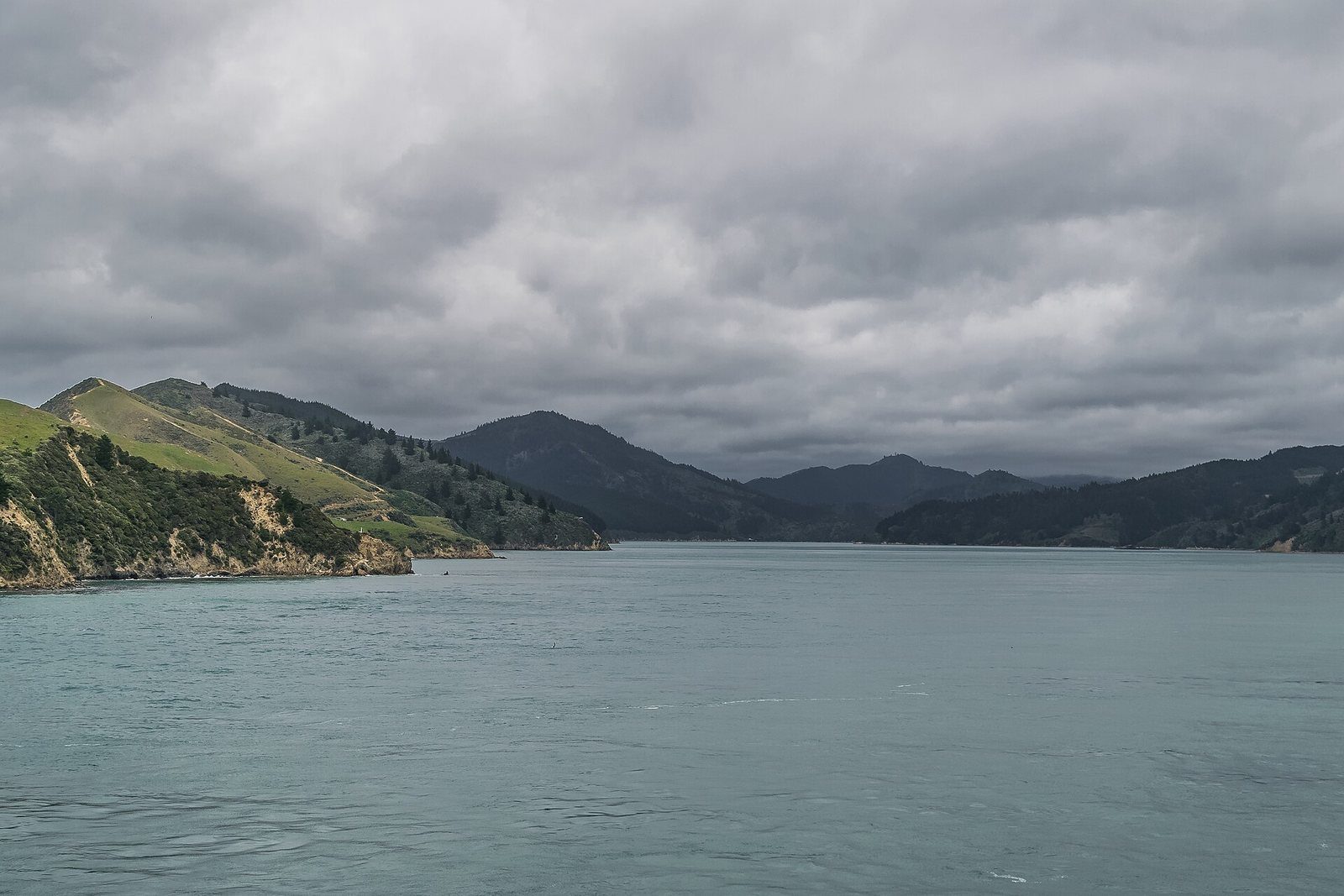
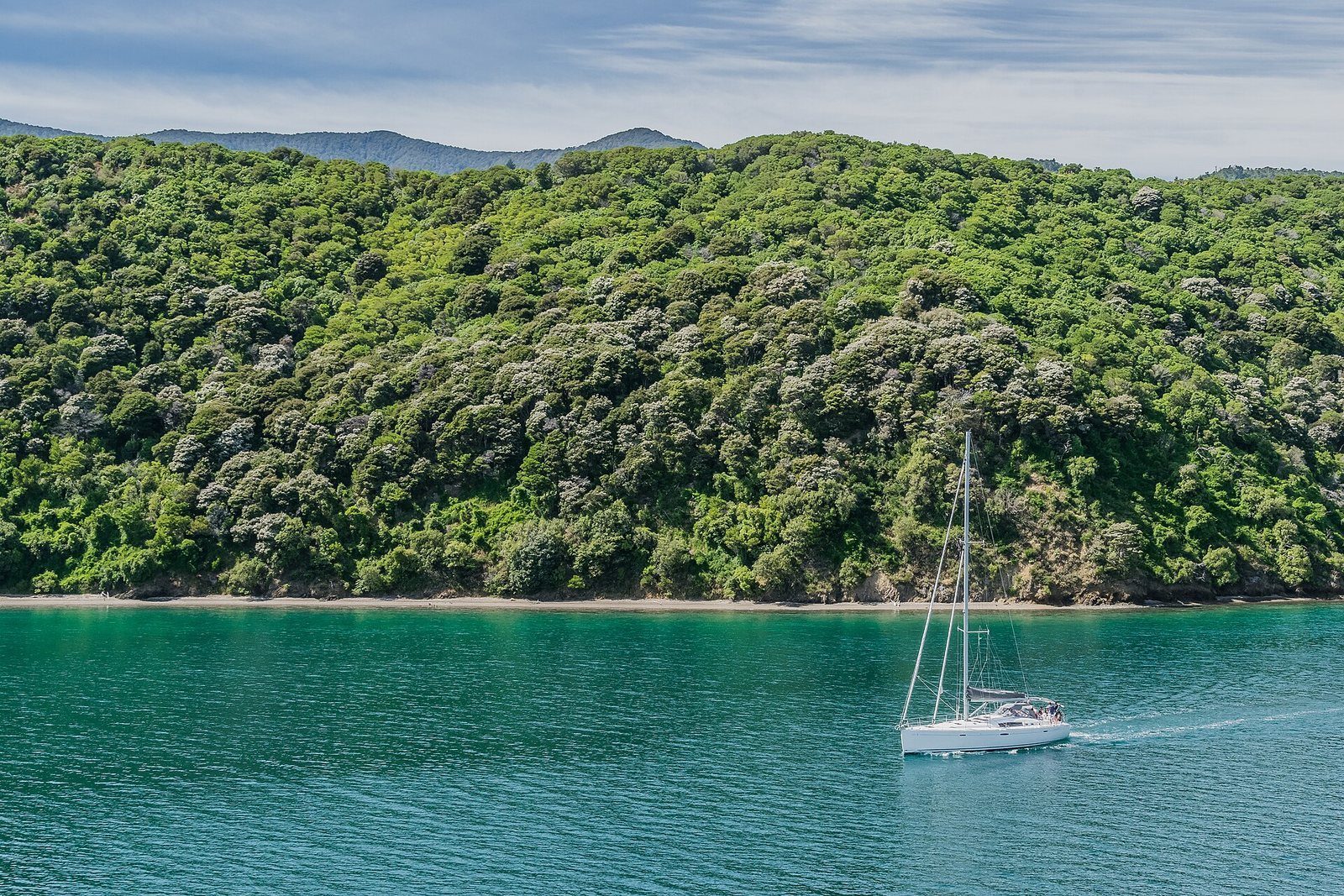
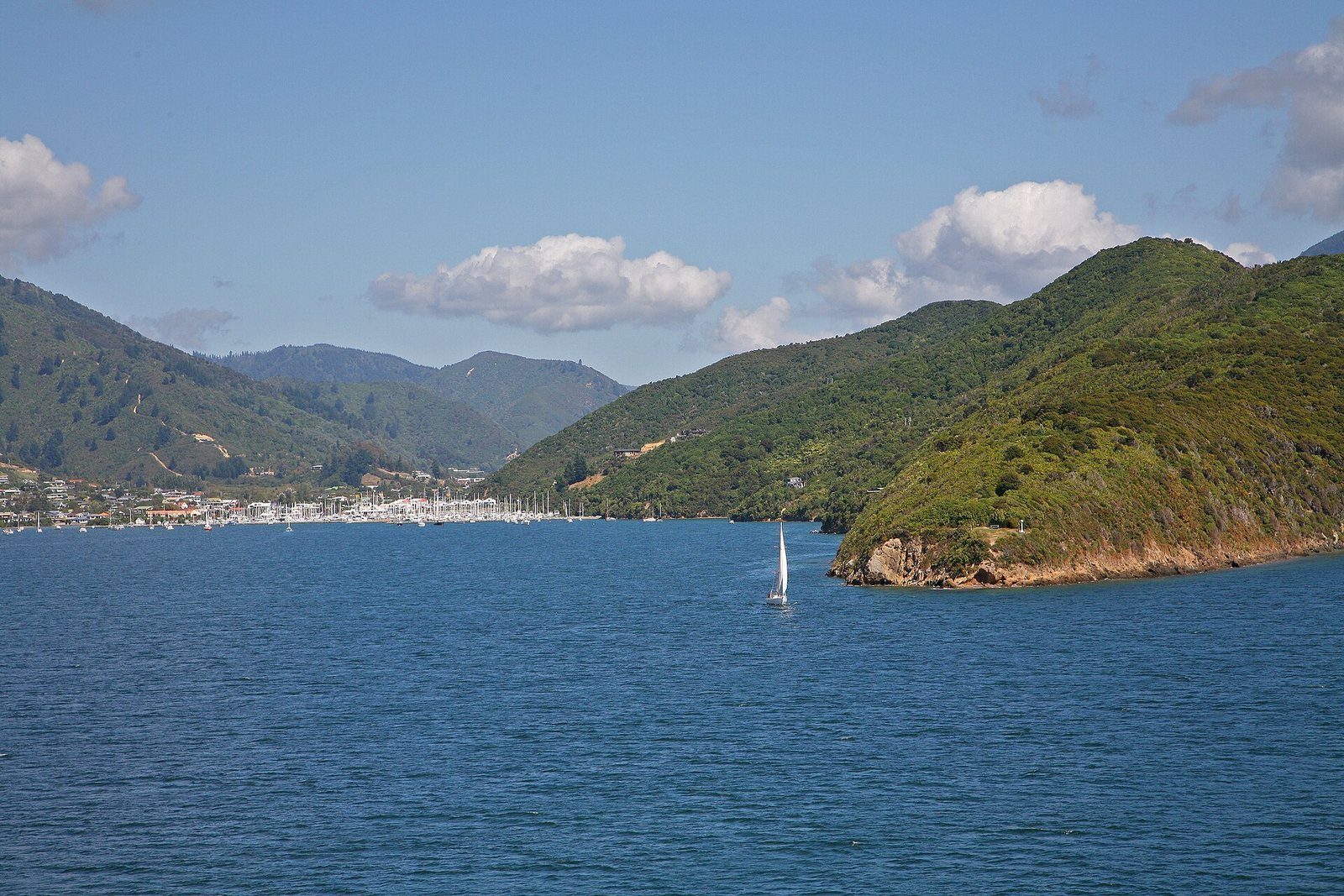
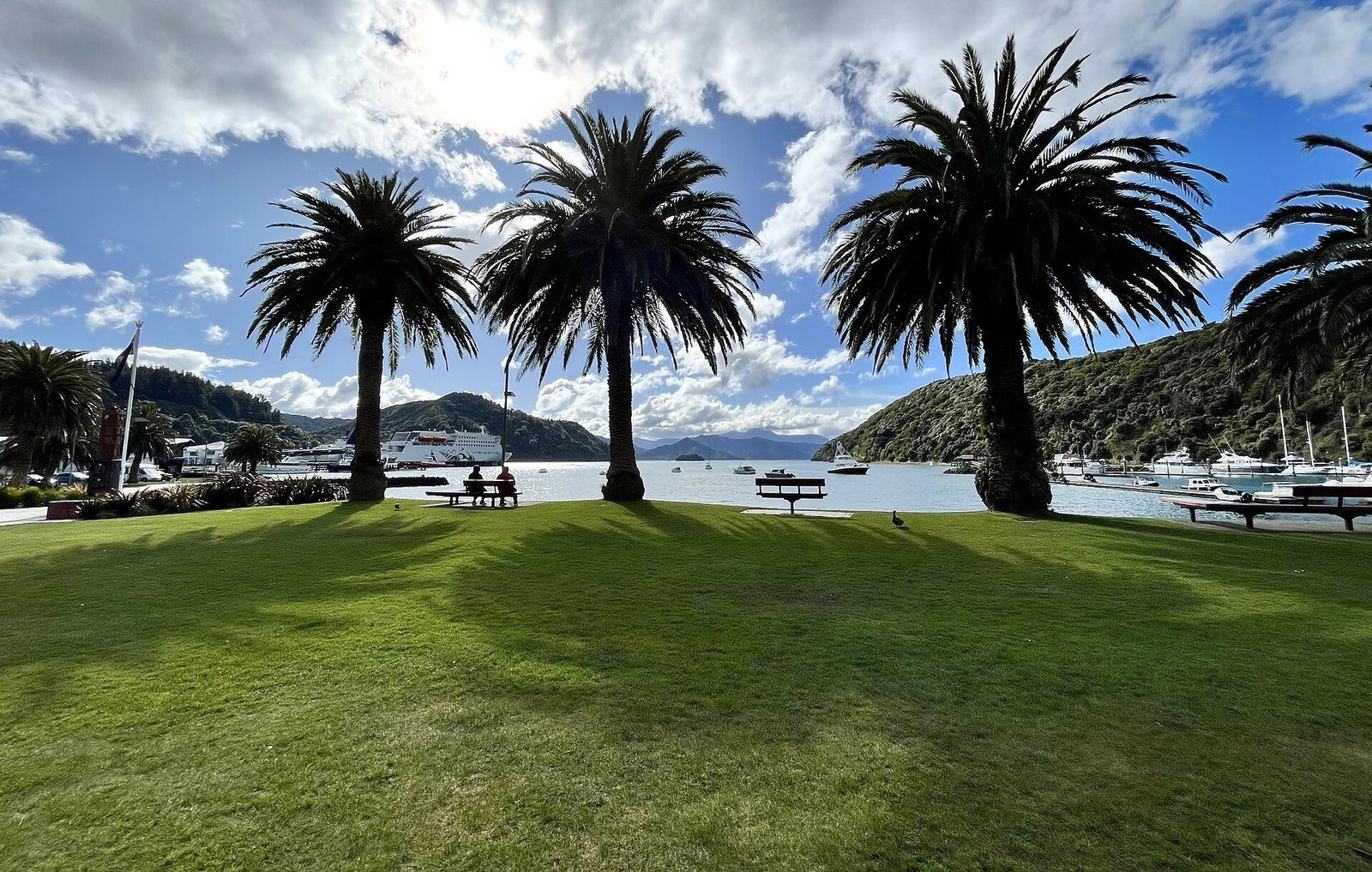
The same water, in different weather
Marlborough is dry and sunny by New Zealand standards, but a summer visit and a winter visit to Picton are genuinely different trips — more so than in many parts of the country.